


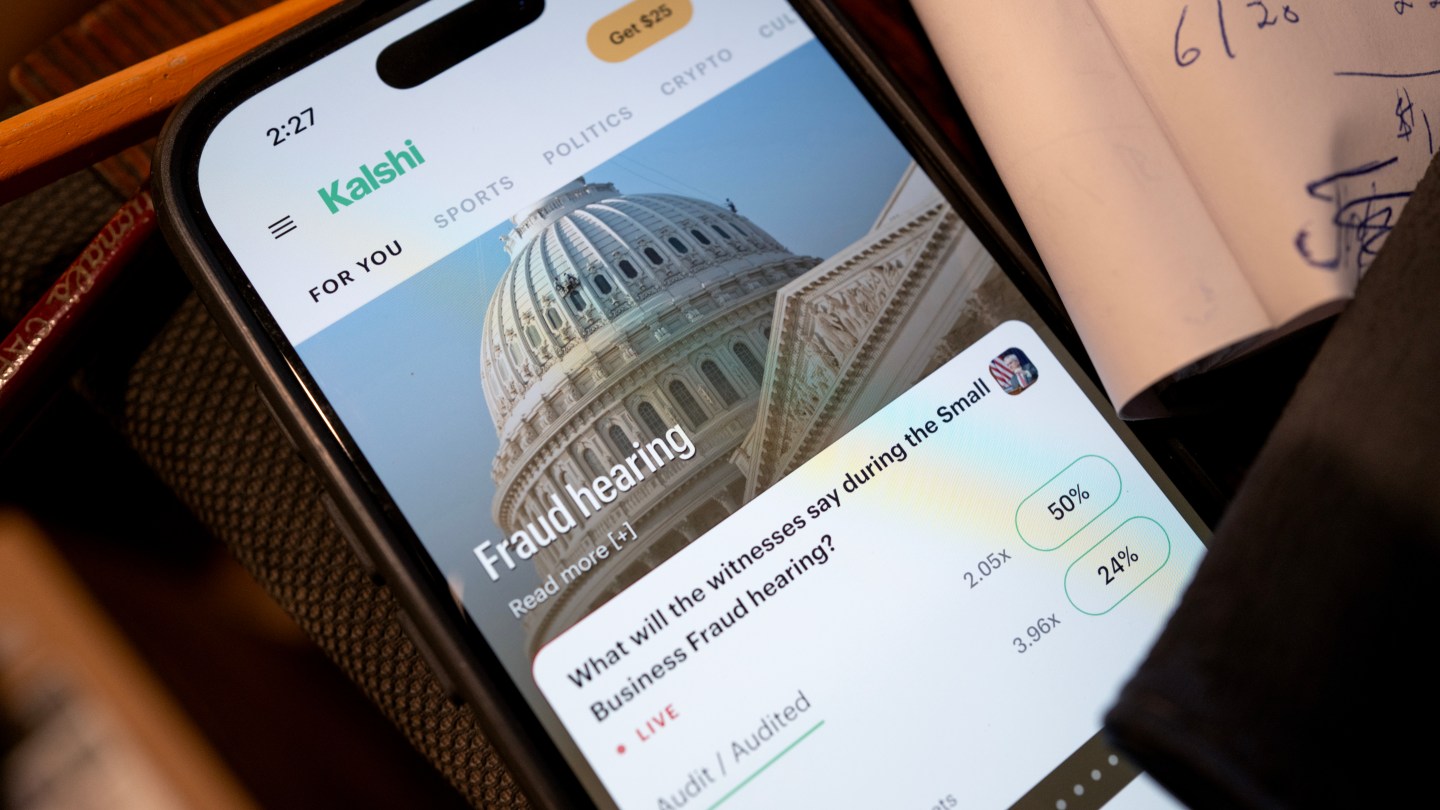
Netflix has been threatened with legal action by Kalshi, which accuses the streaming giant of defamation over a trailer for an upcoming documentary that showed traders making wagers in a state it’s not allowed to operate.
In a cease-and-desist, Kalshi demanded Netflix to immediately take down the trailer for Instadocs: The Prediction Market Games and issue a public retraction. It said that the video falsely suggests that users traded sports events contracts on Kalshi in Nevada in violation of a court order.
In the trailer, a brief scene shows several people gathered at a house in Nevada discussing prediction markets during the 2026 FIFA World Cup. One participant holds up what appears to be a Kalshi transaction receipt and says, “I like betting on Kalshi” before claiming he placed a $5,000 wager on Spain to win the tournament.
The prediction market operator is currently barred from offering event-based contracts that would allow Nevada residents to place bets on sports under a court order issued as part of ongoing litigation with state regulators. The letter argued that Netflix falsely portrays the company of violating the injunction by implying that the trade in the trailer occurred in July 2026.
“These false statements jeopardize Kalshi’s legal standing in litigation that is highly material to Kalshi’s business,” stated the letter, which noted that the company is concerned that the trailer could expose it to court sanctions or other penalties.
Kalshi pointed to several details that it says reveal the receipt shown in the trailer isn’t authentic. Among them: The image displayed on the phone is dated May 16, 2025, more than a year before the events depicted in the trailer occurred. It also noted that the phone screen shows the word “crop,” indicating the user was viewing a saved image rather than interacting with the live Kalshi application.
Leading up to the legal threat, Kalshi alerted a Netflix employee responsible for editing the trailer about the alleged inaccuracies. According to the letter, the employee acknowledged not realizing the receipt was dated from the previous year or that it appeared to be a cropped screenshot rather than a live transaction. Kalshi said the employee agreed the receipt would not appear in the finished documentary but refused to remove it from the trailer despite being warned that it could create legal complications in the Nevada litigation.
Those concerns quickly materialized, with a CNN reporter subsequently contacting the company seeking clarification about where and when the featured trades occurred, Kalshi said. The company argued Netflix’s refusal to remove the trailer after learning of the alleged inaccuracies is evidence of actual malice under defamation law.
Kalshi demanded Netflix, which didn’t immediately respond to a request for comment, to issue a statement that the “trailer was fabricated.”
