


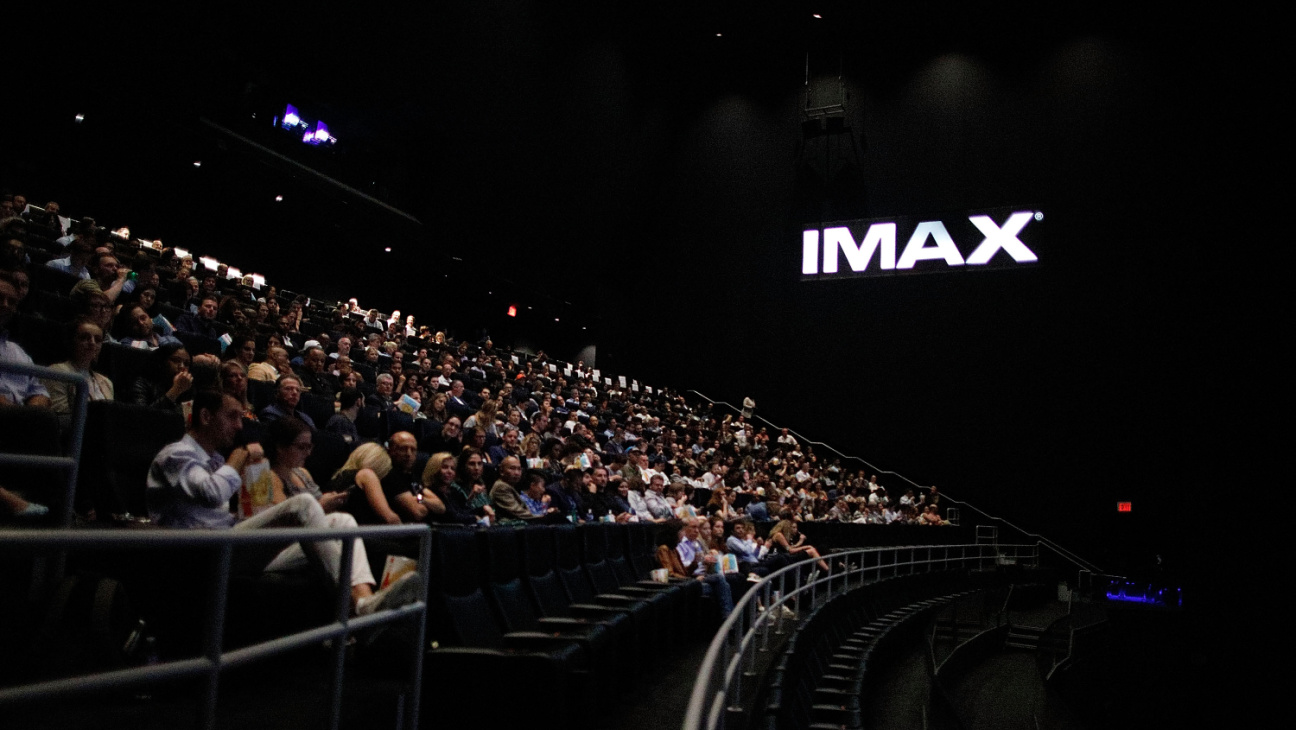
As Imax appears up for sale with early-stage talks with possible suitors, financial analysts have lost no time speculating on who may be a likely buyer. And Wall Street’s list, right now, is long. It stretches from traditional exhibitors (possibly), to private equity firms (could be circling) and tech giants (it would be a rounding error for them) along with a couple major entertainment conglomerates.
David Joyce, at Seaport Research Partners, argued Imax is performing well as a standalone large format cinema company. But if the company is for sale, Joyce in a May 22 note pointed to Cinemark or AMC Theatres as logical acquirers, and added “we truly hope it is going to be an all-cash deal for investors since most potential strategic investors would have conflicts of interest that could hinder the trajectory of the business.”
Long term Imax investors are no strangers to possible sales talk around the film technologies company as the Toronto-based company, led by CEO Richard Gelfond since 1994, over the years has sounded out the market for a possible sale or merger, only to take itself off the auction block with suitable bids didn’t materialize.
Now Imax appears to be going through a possible sales exercise again as major Hollywood studios double down on theatrical releases with longer windows and premium screen experiences coming out of the pandemic.
So Wedbush analyst Alicia Reese in her own investors note Friday pointed to Apple, Sony Corp., Netflix or private equity firms as the most likely buyers to allow Imax to remain neutral around tentpoles landing in its theaters as the major studios compete fiercely for its premium, big screen slots. “PE ownership avoids the platform conflict issue entirely, as it would have no competing interest. Netflix’s content calendar remains thin enough that purchasing Imax would not foreclose rival studio access to the format,” Reese argued.
She added purchasing Imax would be a “rounding error against Apple’s balance sheet” and a useful platform for Apple TV+’s prestige content. Other analysts also underlined the tension over whether a studio buyer may compromise Imax’s neutral movie release model by favoring their own tentpole releases and eroding the platform’s value to competitors.
At the same time, Mike Hickey, an analyst with Benchmark Equity Research, argued Imax as a unique premium movie release platform distinct from traditional exhibitors allowed the net for possible buyers to be cast wide. “We believe the potential buyer universe is unusually broad because Imax operates less like a traditional theater chain and more like a premium entertainment technology platform,” Hickey wrote.
His list of logical suitors includes Sony, Apple, Amazon, Disney, Comcast/NBCUniversal and Sphere Entertainment, given its focus on immersive entertainment experiences. Other possible buyers include sovereign wealth funds internationally, “given increasing appetite for globally recognized premium entertainment infrastructure assets,” Hickey added.
Eric Wold, an analyst with Texas Capital Securities, in a May 21 investors note argued a beneficial takeover deal for Imax depended on the buyer and the integration to follow. “We continue to believe that it would be difficult for either a major Hollywood studio or domestic exhibitor to successful integrate Imax without potentially adversely impacting either the upcoming film slate or network stability,” he wrote.
Wold added Imax’s global reach and increasing reach for local language and alternative film programming “opens the door to other potential buyers that would not necessarily impact the Hollywood flow.”
For Steve Frankel, a digital media analyst at Rosenblatt, investor value in Imax would be best preserved if it remained a standalone company, even if management appeared to be casting for a possible buyer while the going is good.
“We continue to be believers in the Imax story. The combination of the ongoing consumer shift to premium viewing experiences, the company’s growing influence with leading filmmakers and a film slate that has diversified beyond Hollywood tentpoles to include local languages and alternative content, sets the stage for strong box office growth and margin expansion,” Frankel wrote in an investors note released on Friday.

