


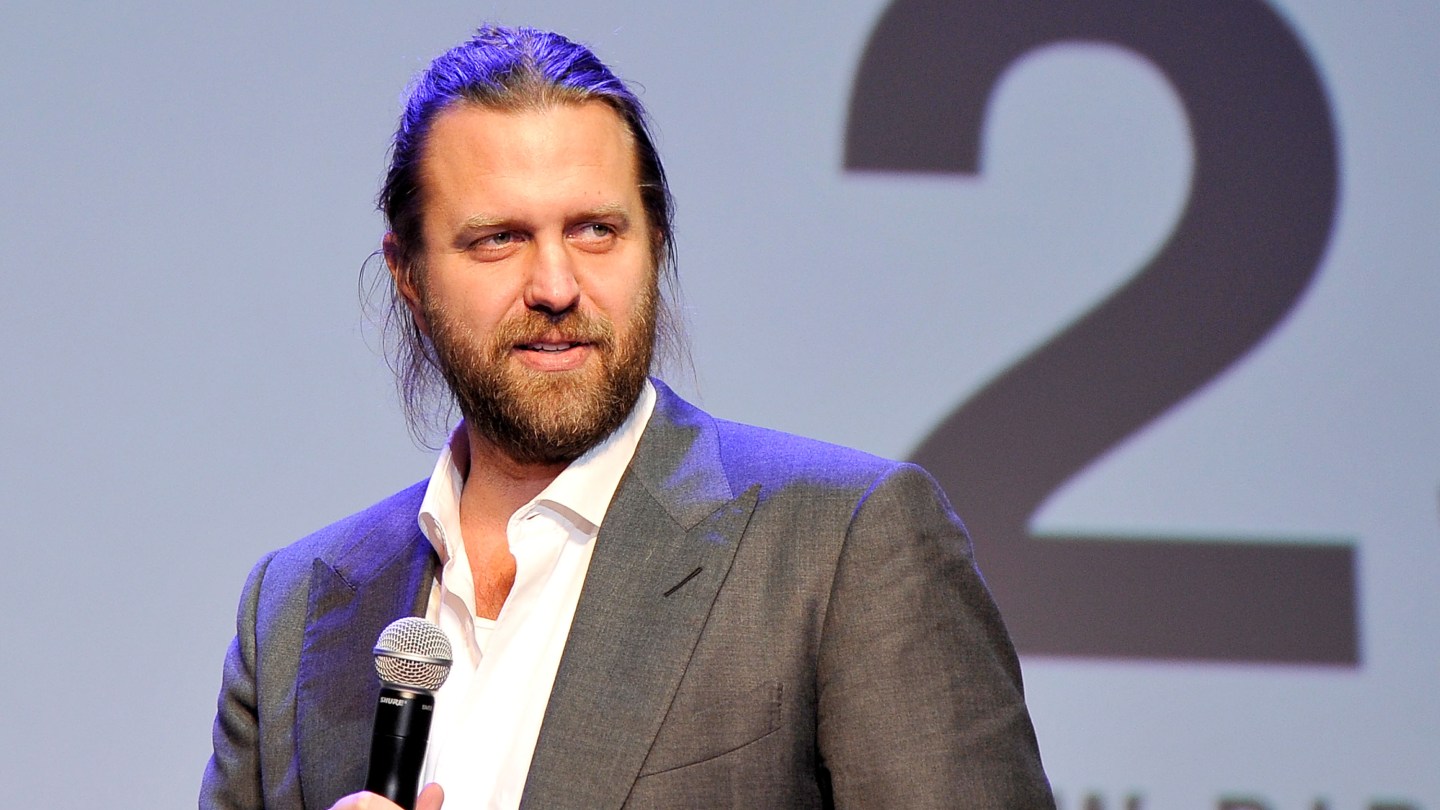
47 Ronin director Carl Erik Rinsch was sentenced Monday to 30 months in prison for defrauding Netflix out of $11 million from a deal with the company to make a sci-fi series he never delivered.
A Manhattan jury last year found Rinsch guilty of wire fraud, money laundering and multiple counts related to engaging in illegal monetary transactions. He had spent funds earmarked for a series titled White Horse on risky securities trades, using profits from those investments to sue Netflix for further payments to finish the show and purchase luxury goods.
Rinsch faced a maximum term of 90 years, with federal prosecutors recommending a 60-month prison sentence. Instead, U.S. District Judge Jed Rakoff issued a sentence on the lower end of the sentencing guidelines after evidence of an untreated mental health condition emerged.
“The perhaps improper medication Mr. Rinsch received may have played a role,” Rakoff said at the hearing, according to Inner City Press. “But he was determined to lie to get substantial moneys from Netflix, cover it up through money laundering and lies. That was brought home to the court by his testimony. So, prison is required.”
In a statement, U.S. Attorney Jay Claton stressed, “Today’s sentence sends a deterrent message: fraud will not be tolerated.”
On top of the prison term, Rinsch was sentenced to three years of supervised release and ordered to pay Netflix $11 million in restitution.
Evidence of Rinsch’s mental health issues was publicly introduced to the court after the director’s conviction.
“Beginning in 2019, family members, friends, and colleagues observed significant changes in his thinking, communication and behavior,” wrote Daniel Rinsch, the director’s brother, in a letter to the court. He added, “By late 2019, the toll on Carl’s psyche was clear. His emails had become strange and troubling, suggesting that he was no longer reasoning clearly.”
Mike Seid, a screenwriter who’s known Rinsch since they were kids, pointed to social media posts in 2020 in which the director claimed that he had solved aspects of the pandemic. When they talked, Rinsch said he could communicate with “divine forces.”
Jesse Warfield, Rinsch’s former assistant, added, “What I was witnessing was not eccentricity or stress. It seemed like a break from reality, and I believe that break was at the root of everything that followed.”
Keanu Reaves, who starred in 47 Ronin, urged the court to show leniency. A letter from the actor reads, “I am, of course, not a therapist or psychologist. I write instead as an artistic peer of Carl’s, and as a friend. In my opinion, Carl can self-sabotage by amplifying the scale, scope and landscape of what had been negotiated, accordingly placing himself and his counterparties at odds.”
Rinsch never finished White Horse, instead opting to sue Netflix for more than $14 million in additional funds he said he was contractually obligated to. Last year, an arbitrator ruled against the director, according to court filings.
Netflix is looking to recover more than $4.4 million in legal fees incurred across the litigation.

