


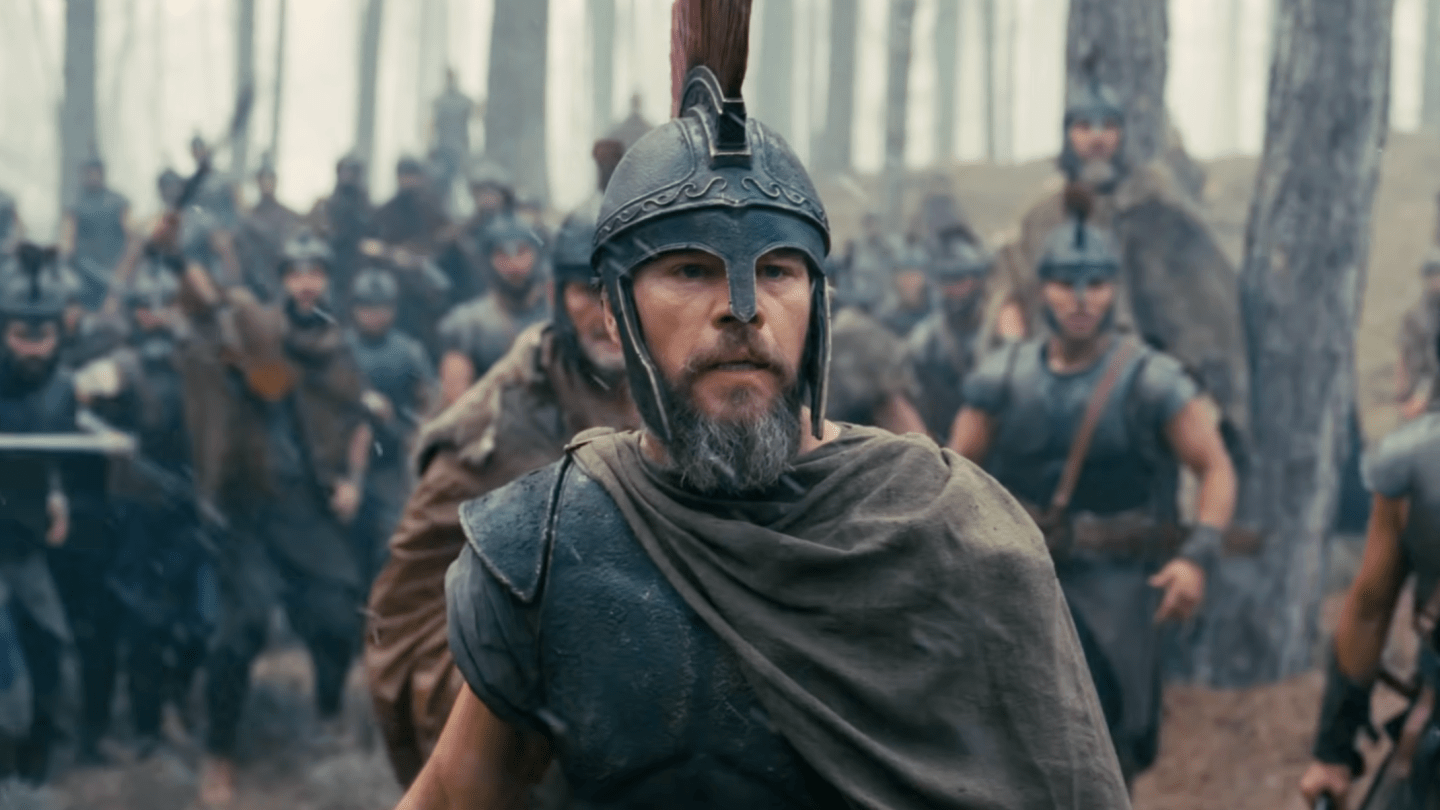
Audiences in 2026 are sending a clear message to filmmakers: We want movies to look real — and for you to sweat while making them.
The most exciting box office hits so far this year have been projects that emphasized analog filmmaking and had directors going the extra mile to create original cinematic worlds that felt grounded and tactile.
Meanwhile, several disappointing franchise films — projects with the wind at their backs thanks to built-in audiences — were criticized for looking overtly artificial.
The Odyssey ($264 million and counting), Project Hail Mary ($683 million), Backrooms ($384 million) and Obsession ($442 million) not only heavily relied on practical effects but communicated their old-school moviemaking efforts in their marketing.
Project Hail Mary directors Phil Lord and Christopher Miller went viral for touting their lack of green screens and use of puppetry (there was also plenty of CG, to be sure). Christopher Nolan and his Odyssey cast have spoken extensively about their herculean efforts to film at tough-to-reach real-world locations, and the director refused to use CG set extensions (any other filmmaker would have been hugely tempted to use CG to make Ithaca look more populated and sprawling, for example).
Even with a modest $10 million budget, the Backrooms team built extensive physical sets and used practical effects whenever possible. And when Curry Barker made Obsession for just $750,000, he had to figure out practical ways of pulling off scares by necessity, if not also by preference.
Nolan has said, “I definitely hit the limits of my own stamina and everybody’s stamina. I mean, it’s The Odyssey, of course it should be difficult. We’re not doing the job right making a film of The Odyssey if it doesn’t seem difficult.”
But perhaps Nolan was, for once, thinking too narrowly. The real lesson here might be: All filmmaking should be difficult if you want to persuade audiences to leave their homes and trek to a theater. Particularly in the wake of Disney+’s Star Wars and Marvel TV shows, making yet another franchise movie shot on a volume stage feels more like a streaming-channel level of effort than “buy an Imax ticket” effort.
It’s probably not a coincidence that audiences are responding to practicality the same year AI slop has become so widely derided. The trailers for box office disappointments Masters of the Universe, Supergirl, Star Wars: The Mandalorian and Grogu and Moana all notably looked, well, a bit fakey.
Supergirl was derided for its effects and action slop. Moana was supposed to be a live-action remake, but could you even tell? In the wake of Project Hail Mary’s practical effects headlines, the team behind The Mandalorian and Grogu put out a “Hey, we did that, too!” video touting the Star Wars film’s practical puppet work, but the movie’s trailers and clips looked slathered in CG glaze.
Moviegoers will break box office records to see Avengers: Doomsday, yet even that highly anticipated film’s trailer released July 20 is being criticized as looking like the actors were trapped on a soundstage. (One viral Reddit comment asked: “Is anyone else concerned how ‘filmed in a cupboard’ this looks?” while an influencer opined, “[The superhero genre] is supposed to be all about spectacle, and this no longer counts as spectacle”)
It used to be that only cinephiles cared how a movie was made. But in our authenticity era — when anybody can create a short AI film by typing prompts — the story behind the film’s creation is gaining value. This is especially true when that story conveys some real sweat equity (such as A-list actors hiking 45 minutes up a hill every day to reach an Italian fortress to shoot The Odyssey).
To some extent, audiences have always loved tales of Hollywood creatives suffering for their art. David Lean shooting Lawrence of Arabia almost entirely on location in the unforgiving deserts of Jordan, Morocco and Spain. Steven Spielberg nearly killing himself — and nearly getting fired — to make Jaws. James Cameron risking ruin to go big with Titanic. But those production tales were appreciated after those movies were a success. Now you have to tell a compelling story — and tell a compelling story about telling your story.
The other side of this coin is the refreshing surge in popularity of nonfranchise movies.
Last year, 12 of the top 13 movies at the domestic box office were titles based on existing IP — franchise movies, sequels, video game adaptations and the like (Sinners was the only exception).
What an incredible turn of events this year. So far, five of the top 10 movies at the domestic box office are nonfranchise titles — and The Odyssey will quickly join those ranks.
Declaring Hollywood trends is a perilous business. Every movie’s success is a combination of factors, and just when you’re certain that there’s been real change, things tend to revert to the norm. Is the superhero fatigue virus really mutating into franchise fatigue? Too soon to say.
But the tea leaves, as best they can be read, seem pretty clear: Moviegoers will show up in droves for compelling nonfranchise stories from passionate filmmakers who can give audiences a feeling of handcrafted reality.
This story appeared in the July 22 issue of The Hollywood Reporter magazine. Click here to subscribe.

