


When was the last time you heard about an actress going fully Method during a movie production, staying in character constantly, weighed down by the self-inflicted burden of inhabiting a role so completely that it seems to consume their life?
Pretty much never, right?
Why is that?
Anya Taylor-Joy has a theory.
The Furiosa and Queen’s Gambit star discussed the topic during a chat with Complex while promoting Apple TV’s limited series Lucky.
“If you’ll notice, women don’t method act because we have things to take care of,” Taylor-Joy said. “We can’t completely lose our minds. I see acting as kind of like a controlled psychosis in a way. You are pretending to be somebody else and having their thoughts 16 hours a day and moving with them and living in their house and in their clothes … But I’m just very grateful that the people in my life understand that and know that. Sometimes if it gets a little bit out of hand, they’ll call me by the character name, and they’ll be like, ‘Yo, we need to like check in again.’”
Continued Taylor-Joy: “But yeah, I can’t imagine keeping it up all the time because, again, you’re going to work with hundreds of people. It is your responsibility to be good to them and to help them do their best job. If you’re too invested in in being an asshole, then that’s not going to be very fun.”
Natalie Portman actually made a similar argument in 2024, calling method acting “a luxury that women can’t afford.”
Rarely does any actor actually call their performance method acting. But some examples of actors who went to extremes to play a character that have been commonly cited as examples of method acting include Daniel Day-Lewis in My Left Food (reportedly had crew members move and spoon feed him rather than break character) and Lincoln (reportedly maintaining the president’s voice and persona during filming, including sending text messages to co-star Sally Field as his character); Jim Carrey in Man on the Moon (staying in character as Andy Kaufman or his alter ego Tony Clifton); and Adrien Brody in The Pianist (getting rid of his car and phone and isolating himself).
Day-Lewis defended the practice at the London Film Festival last year. “All the recent commentary in the last few years about method acting is invariably from people who have little or no understanding of what it actually involves,” he said. “It’s almost as if it’s some specious science that we’re involved in, or a cult. But it’s just a way of freeing yourself so that the spontaneity, when you are working with your colleagues in front of the camera, that you are free to respond in any way that you’ll move to in that moment.” He added that going Method doesn’t mean you’re living separately from your actual life, but that “you’re in a self-contained experience of your own.”
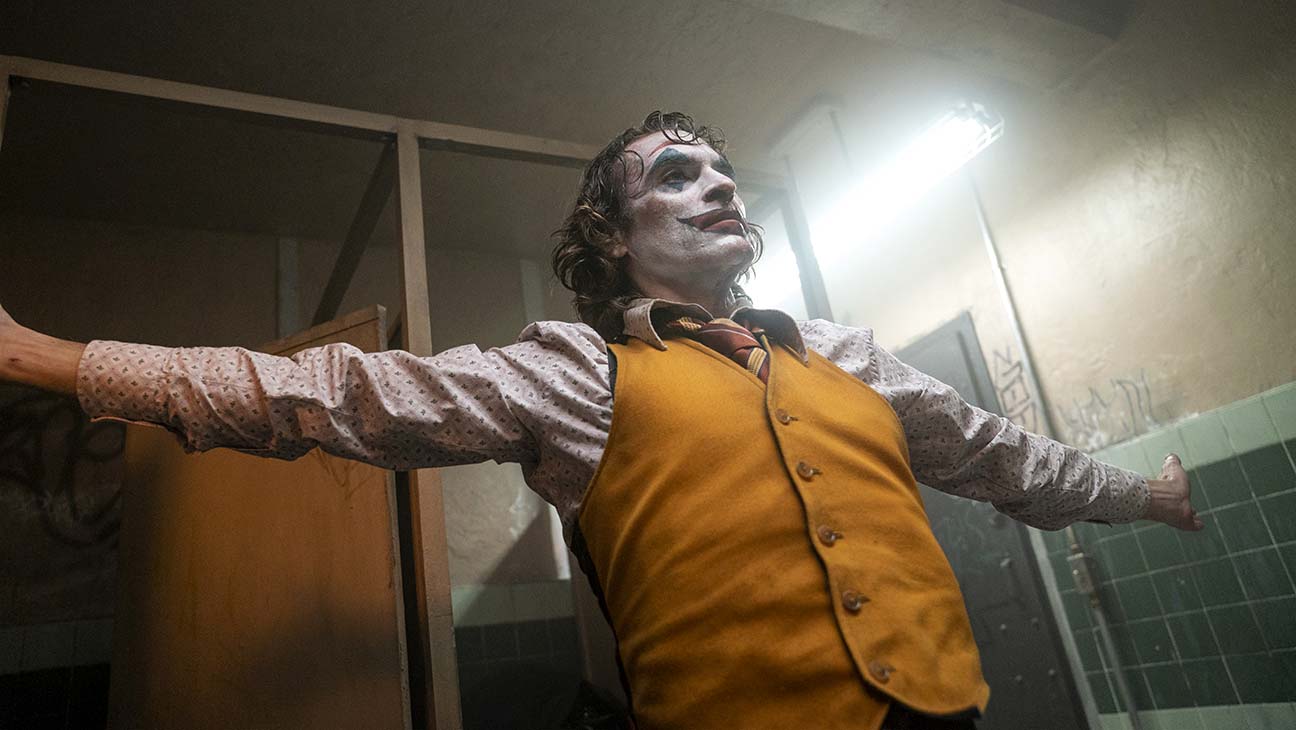
Many other oft-cited examples tend to be actors who undergo extreme transformations, but don’t actually stay in character between takes — such as Joaquin Phoenix in Joker (though the actor has gone what one might call Method-adjacent in roles for I’m Still Here and Walk the Line).
That said, there’s at least one relatively recent cast of an actress doing what could be called method acting — Lady Gaga, for House of Gucci, who said she lived as Patrizia Reggiani for 18 months, and stuck with the character’s Italian accent for nine month. Said the pop star: “I never broke, I stayed with her.”
