


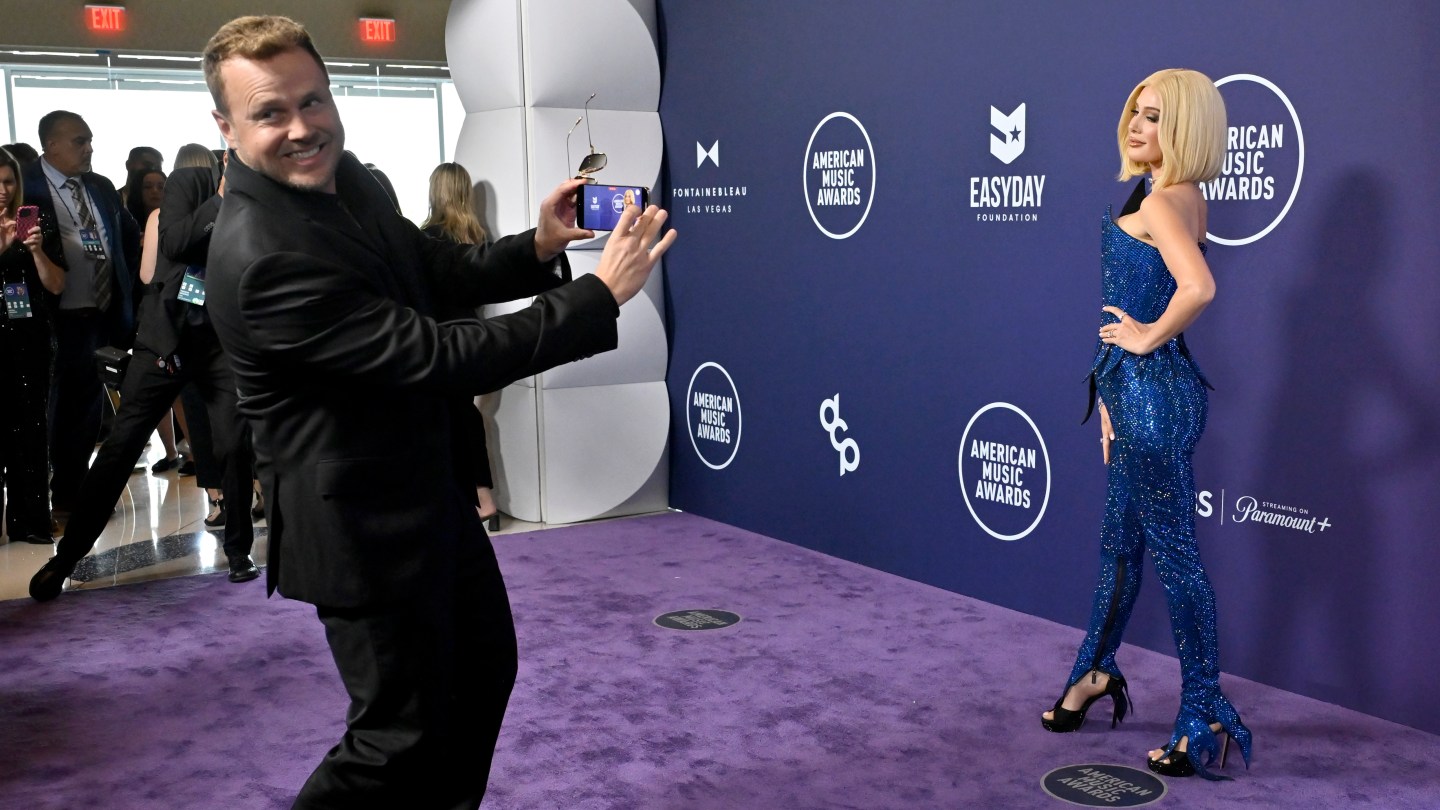
The surprising success of Spencer Pratt‘s campaign to become mayor of Los Angeles is serving as a spotlight on the changing dynamics of political media: TV, radio and traditional media are out, social media virality and clipping are in.
Pratt (who garnered national fame from reality TV and leveraged that into a sizable social media presence) is in a strong position to make the runoff, where he would likely face incumbent Karen Bass in the general election (Nithya Raman is trying to flank Bass from the left). President Trump seemed to endorse Pratt this week, though it is not obvious that would be helpful to his campaign.
But while campaign expenditures from the Bass and Raman campaigns show thousands of dollars in expenses related to TV, radio and print ads, the Pratt campaign appears far more focused on social media, and in particular the phenomenon of “clipping,” taking moments from events and interviews and spreading them far and wide on platforms like TikTok and Reels.
According to the campaign records, earlier this month Pratt’s campaign spent $30,025 on “Clipping Culture LLC” which calls itself “The #1 clipping agency behind viral campaigns” and a client list that includes Yung Gravy, Selena Gomez and Lady Gaga. The campaign also spent $25,000 on Cliphaus Inc., which calls itself “the trusted, leading clipping company distributing content at the largest scale, and helping creators, artists and brands generate billions of views through short-form content, with unrivaled results.” Its clients include Rich the Kid and Atlantic Records.
Clipping has become a fact of life, given the velocity of viral social videos, but the Pratt campaign is taking it to the next level, releasing its own clips and amplifying AI videos apparently created by fans and supporters.
Pratt’s campaign has taken advantage of a slew of AI-generated videos, apparently created by fans and supporters, underscoring how generative AI and social media are transforming the nature of political media. Probably the most widely-shared video featured a digital recreation of Bass, wearing makeup similar to that of The Joker from the Batman franchise as images of L.A. in flames appear. Pratt is then featured putting on a Batman suit.
Pratt is not ignoring legacy media: he has appeared fairly regularly for interviews with local TV and local media, but when it comes to paid media, it seems clear that his campaign strategy is betting on social, even as his competitors bet that traditional media still has juice. If he succeeds, it would be a sea change moment for political media consultants, though like President Trump, it is not obvious that any lessons learned can work with other candidates that aren’t as skilled at demanding people’s attention.
The New York Times reports that the Pratt campaign has not purchased any local TV airtime, while his rivals have spent about $2 million combined.
Bass has mostly avoided discussing him and taking him seriously, despite his performance in the polls and his ability to garner high-profile supporters like Haim Saban, Brian Grazer and Nicole Avant. Bass told The Hollywood Reporter in an interview this week: “I think the tone of his campaign is very negative and it’s like the tone I think you would see from a reality star. So I think his goal is to be famous and he’s a lot more famous now than he was as a reality TV star.”
Instead, supporters of Bass, including some high-profile labor unions, appear to be leveraging online virality to, depending on how you look at it, oppose Pratt, or maybe to bolster him.
An ad that appeared earlier this month, which was financed by LA Unions Opposed to Spencer Pratt for Mayor 2026, including the AFL-CIO, declared that “Pratt opposes using taxpayer money to build brand new houses for our unhoused neighbors” and that Pratt wants L.A. “to hire thousands more police officers, rather than more social workers.”
The video indeed went viral, with online personalities like Megyn Kelly and Ben Shapiro laughing at the absurdity of it, and people like Sen. Ted Cruz sharing it.
The ad, which cost $221,000 according to filings, may have been a back-door effort to drum up GOP support, betting that getting Pratt into the next round with Bass could give her an easier path to victory in the general election.
And it was a digital play by the unions, betting (correctly, it seems) that the surprising ad would be the subject of chatter on X and TikTok, among other platforms, primarily by conservatives.
But it is telling that one of the most viral anti-Pratt ads could very well have been designed to bolster him, and that his competitors haven’t seem to be able to grasp the fast-moving nature of social media and clipping.

