


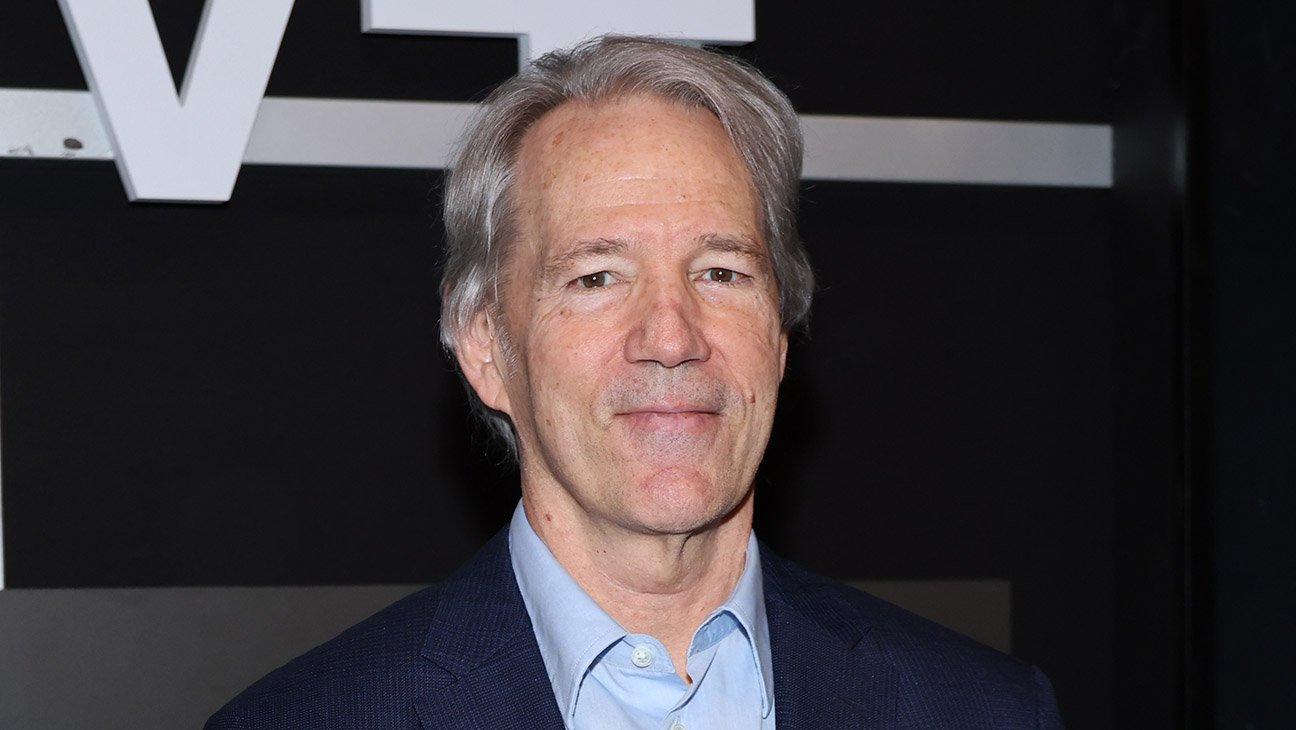
David E. Kelley has produced more than 40 series in his TV career. His latest, however, is a marked departure from the prolific showrunner’s usual material.
Kelley is executive producing a nature documentary called Live Migrations, teaming with series creator Tucker Malarkey on the project. The emphasis of Live Migrations is the “live” part — launching Wednesday on a dedicated website and YouTube channel, the series will follow animal migrations in real time. The first production is The Great Sockeye Migration, following sockeye salmon as they return to Bristol Bay, Alaska.
“Live Migrations allows you to slow down and connect with nature and this extraordinary species,” Kelley said in a statement. “If people could only sit by a river and feel the salmon … watching a live migration is the next best thing.”
While Live Migrations is a new kind of series for Kelley, his interest in wildlife, and particularly marine life, is not new. He started an aquaculture business called Riverence that is one of the largest producers of farmed rainbow and steelhead trout in the country and is an executive adviser on the PBS series Hope in the Water, following people who try to balance saving the world’s oceans and feeding the human population.
Live Migrations fits into the realm of “slow TV,” multi-hour programs showing single events at a leisurely pace. Shows in the genre, popularized by Norway’s NRK, include a seven-hour train trip from Oslo to Bergen, a live stream of cheddar cheese aging in England and shorter, fixed-camera chronicles of everyday life.
Future Live Migrations streams will follow sandhill cranes, whales, wildebeest and monarch butterflies along their journeys. The shows will also include context and background on the animals and the challenges they face.
“Live Migrations grew out of a simple idea: What if television, a medium built to capture our attention, could also return it?” said Malarkey, an author and conservationist whose Norcross Productions is behind the series. “These animals are undertaking ancient, perilous journeys all around us. By slowing down and watching together, we begin to understand what is at stake — and why these migrations must endure.
“We are not the owners of these stories,” she added. “We are their temporary stewards. Our hope is to create a place where people can return — to watch the migrations happening now and feel connected to the living world in real time.”

